


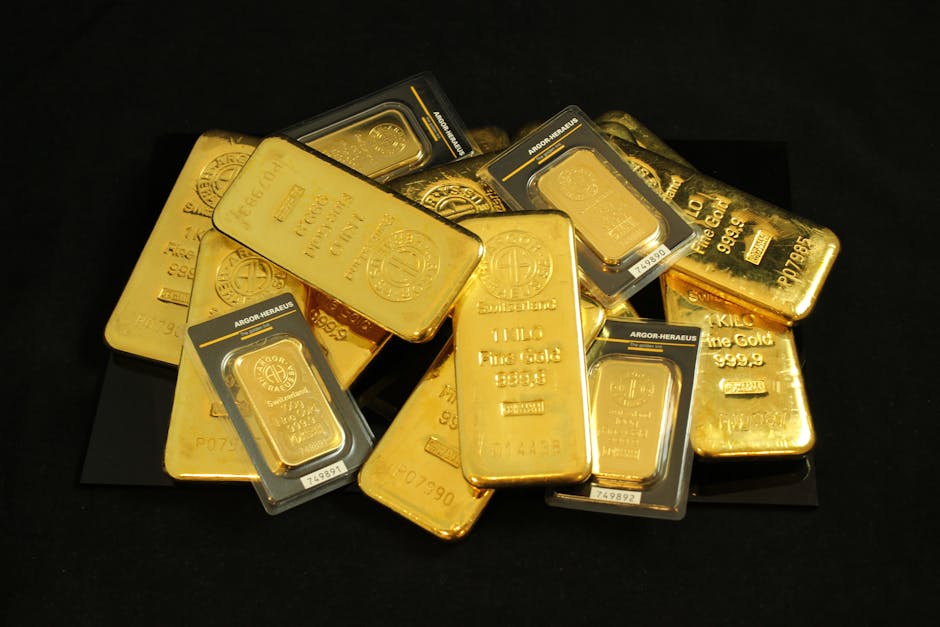
When you start shopping for gold, you’ll quickly run into terms like “.999 fine gold” or “24-karat gold.” These labels aren’t just marketing language — they tell you something critically important about what you’re actually buying. For anyone considering gold as a store of value or a way to diversify a portfolio, understanding gold purity is one of the most fundamental concepts you need to get right from day one. The good news is that it’s simpler than it sounds, and once you understand it, you’ll shop with far more confidence.
What Does .999 Fine Gold Actually Mean?
The term “fine gold” refers to the purity of the metal, expressed as a decimal or a millesimal fineness number. When you see .999, it means the gold content is 999 parts per 1,000 — in other words, 99.9% pure gold. Some coins and bars go even further, reaching .9999 (four nines) or even .99999 (five nines), which represents gold in an exceptionally refined state with virtually no other metals present.
This system is standardized across the global precious metals industry, which makes it easy to compare products from different mints and refineries around the world. Whether a bar was produced in Switzerland or a coin was struck by the Royal Canadian Mint, the .999 or .9999 stamp means the same thing everywhere. That kind of universal transparency is one of the reasons gold remains one of the most trusted assets on the planet.
It’s worth noting that .999 fine gold is distinct from lower-purity gold you might find in jewelry. A 14-karat gold ring, for example, contains only about 58.3% gold, with the remainder being copper, silver, or other alloys. Investment-grade gold starts at .999 fineness and goes up from there.
How Gold Purity Is Measured and Verified
Gold purity is determined through a process called assaying, which involves testing the metal’s composition to confirm how much actual gold is present. Reputable mints and refineries assay their products rigorously before they leave the facility. The result is then stamped directly onto the bar or coin, along with the weight and often a serial number for added traceability.
For minted coins from sovereign governments — such as the American Gold Eagle, the Canadian Gold Maple Leaf, or the South African Krugerrand — purity is backed by the issuing government itself. This adds an extra layer of credibility that many investors find reassuring. Gold bars from recognized refiners like PAMP Suisse or the Perth Mint come with assay certificates that independently verify the stated purity.
Third-party grading services like the Professional Coin Grading Service (PCGS) and the Numismatic Guaranty Company (NGC) also evaluate and certify gold coins, encapsulating them in tamper-evident slabs with documented purity and condition grades. While this is more common in the numismatic world, it provides an additional layer of verification for investors who want documented assurance.
Why Purity Matters When You’re Buying Gold
Purity directly affects the intrinsic value of what you’re buying. When you purchase .999 fine gold, the price you pay is calculated based on the spot price of gold multiplied by the actual gold weight. A one-ounce bar of .999 gold contains one troy ounce of gold. A one-ounce coin with .9167 fineness — like the American Gold Eagle — contains one troy ounce of gold but is made with a slightly larger total weight to account for the alloy content. Understanding this distinction helps you compare products accurately.
Purity also matters significantly when it comes time to sell. Dealers and refiners worldwide recognize .999 and .9999 fine gold products easily, and they price them accordingly. Products with well-known markings from reputable mints and refiners face virtually no friction in the secondary market. Lower-purity or unverified gold, on the other hand, may require additional assaying before a buyer accepts it, which can slow down a transaction and potentially reduce what you receive.
Common .999 Fine Gold Products Investors Buy
The market for .999 fine gold is broad and includes products suited to a wide range of budgets and goals. Here are some of the most popular options:
- Gold bullion bars: Available in sizes ranging from one gram to 400 troy ounces, bars from accredited refiners are a straightforward and cost-effective way to own fine gold. Larger bars typically carry lower premiums over spot price.
- Gold bullion coins: Government-issued coins like the Canadian Gold Maple Leaf (.9999 fine) and the American Gold Buffalo (.9999 fine) are widely recognized, easy to buy and sell, and come in fractional sizes as small as one-tenth of an ounce.
- Gold rounds: Privately minted and not legal tender, rounds are similar in appearance to coins and are typically .999 fine. They often carry lower premiums than sovereign coins.
Each product type has its own set of trade-offs involving premiums, liquidity, and storage considerations. Understanding the purity standard that applies to each product helps you make clear-eyed comparisons rather than being swayed purely by appearance or price.
Does Higher Purity Always Mean Better?
Not necessarily. .9999 fine gold is technically purer than .999, but for most investors the practical difference is minimal. Both are considered investment-grade, and both are universally accepted. Where the distinction matters more is in certain industrial and electronics applications where ultra-high purity is a technical requirement.
For investors, the more important factors are often product recognition, liquidity, and the premium you pay over the spot price. A .9999 fine coin from a world-renowned mint may actually offer better long-term liquidity than an obscure .9999 fine bar simply because more buyers recognize and trust the former. Purity is one factor in a smart purchasing decision — not the only one.
Buying .999 Fine Gold With Confidence
The single most effective way to protect yourself when buying fine gold is to purchase from a reputable, established dealer who sources products from recognized mints and refiners. Stick to products with clear purity markings, known weights, and traceable origins. Avoid deals that seem too good to be true, and always verify that the dealer has a transparent return and buyback policy.
At Absolute Bullion, we carry a carefully selected inventory of .999 and .9999 fine gold products, including bars, coins, and rounds from the world’s most trusted mints and refiners. Every product we sell meets rigorous industry purity standards, so you can buy with confidence knowing exactly what you’re getting.
Understanding gold purity puts you in control as a buyer. When you know what .999 fine gold means, you can evaluate products honestly, compare prices accurately, and make decisions based on knowledge rather than guesswork. Check live pricing and browse our current gold inventory at absolutebullion.com to get started today.